▁Ánh▁sáng▁mặt▁trời quan▁sát:▁Làm▁sao▁để▁đọc▁những▁khuôn▁mẫu▁mà▁không▁bị▁quá▁tải
July 8, 2026 | By Seraphina Sterling
▁Các quan▁sát▁về▁mặt▁trời▁có▁thể▁hữu▁ích▁khi▁bạn▁muốn▁những▁manh▁mối▁nhanh▁về▁chủ▁đề▁của▁năm▁sinh▁nhật▁bạn,▁nhưng▁chúng▁hiệu▁quả▁nhất▁khi▁bạn▁đọc▁chúng▁như▁những▁hình▁mẫu,▁chứ▁không▁phải▁những▁kết▁quả▁cố▁định. ▁Một▁bài▁viết▁về Tumblr▁hoặc Reddit▁có▁thể▁nói rằng▁một▁nơi▁nào▁đó▁mang▁lại du▁lịch,▁chú▁ý,▁lãng▁mạn,▁áp▁lực▁nghề▁nghiệp,▁hoặc▁một▁sự▁thay▁đổi▁thường▁lệ. ▁Đôi▁khi▁điều▁đó▁rất▁sâu▁sắc. ▁Đôi▁khi▁nó▁quá▁rộng so▁với▁biểu▁đồ▁của▁anh. ▁Trước▁khi▁áp▁dụng▁bất▁kỳ quan▁sát,▁nó▁giúp▁ích cho▁tạo▁một▁biểu▁đồ▁trả▁lại▁năng▁lượng▁mặt▁trời▁và so▁sánh▁với▁những▁ghi▁chú▁thực▁tế▁của▁bạn,▁nhà▁cửa,▁hành▁tinh,▁khía▁cạnh▁và▁biểu▁đồ▁sinh▁đẻ.

▁Những quan▁sát▁thực▁sự▁về▁mặt▁trời
▁Các quan▁sát▁về▁mặt▁trời▁trả▁về là▁những▁ghi▁chú▁ngắn▁về▁vị▁trí▁trong▁biểu▁đồ▁trả▁về▁mặt▁trời. ▁Họ▁có▁thể▁mô▁tả▁cảm▁giác▁của▁một▁chiếc La▁bàn▁thờ▁mặt▁trời,▁một▁chiếc▁bia▁đá▁trong▁một▁ngôi▁nhà▁có▁thể▁nhấn▁mạnh▁như▁thế▁nào,▁làm▁thế▁nào Midheaven▁có▁thể▁hiển▁thị▁những▁chủ▁đề▁công▁khai hay▁sự▁nghiệp, hay▁sao Kim,▁sao▁Hỏa,▁Thổ,▁sao▁Thổ, Jupiter, Uranus,▁Hải▁Vương▁Tinh,▁Diêm▁Vương▁Tinh, Lilith,▁và▁Mặt▁Trăng▁có▁thể▁tô▁màu cho▁năm.
▁Định▁dạng▁này▁phổ▁biến▁vì▁nó▁nhanh. ▁Thay▁vì▁đọc▁hết▁biểu▁đồ,▁bạn▁có▁thể▁xem▁lại▁danh▁sách▁và▁nhận▁thấy▁điều▁có▁vẻ▁quen▁thuộc. ▁Nhiều▁nhà▁xã▁hội▁sử▁dụng▁các▁ví▁dụ▁như "Sun▁ở▁nhà▁thứ 6▁có▁thể▁nhấn▁mạnh▁các▁thói▁quen" "Moon Conjunct Midheaven▁có▁thể▁làm cho▁cuộc▁sống▁công▁cộng▁cảm▁thấy▁xúc▁động▁hơn,"▁hoặc "Vinus▁trong▁nhà▁thứ 7▁có▁thể▁mang▁lại▁chủ▁đề▁mối quan▁hệ▁tập▁trung."▁Đây▁có▁thể là▁những▁điểm▁bổ sung.
▁Vấn▁đề là quan▁sát▁không▁phải là▁đọc▁toàn▁bộ. ▁Một▁vị▁trí▁duy▁nhất▁không▁thể▁mang▁lại▁cả▁năm. Biểu▁đồ▁trả▁lại▁năng▁lượng▁mặt▁trời là▁một▁bản▁đồ▁lớp. ▁Mặt▁trời cho▁thấy▁nơi▁mà▁sự▁tụ▁tập▁và▁tập▁trung,▁Mặt▁Trăng▁miêu▁tả▁nhu▁cầu▁cảm▁xúc,▁nhà▁cửa cho▁thấy▁những▁vùng▁sống,▁khía▁cạnh cho▁thấy▁sự▁tương▁tác, ▁và▁việc▁mang▁thai▁bao▁gồm cho▁thấy▁năm▁tác▁động▁đến▁đời▁sống▁bạn.
▁Hãy▁nghĩ▁đến▁những quan▁sát▁như▁những▁ghi▁chú▁dính▁trên▁bản▁đồ▁lớn▁hơn,▁giúp▁bạn▁nhận ra▁có▁thể▁có▁đường,▁nhưng▁chúng▁không▁chọn con▁đường cho▁bạn.
▁Tại▁sao Tumblr▁và Redit Osserations▁cảm▁thấy so Compelling
▁Tìm▁kiếm▁như "Những quan▁sát▁viên▁trả▁lại▁của▁tòa▁nhà"▁và "Alar recear re recit reviews reddit"▁thường▁dẫn▁đến▁danh▁sách cá▁nhân. ▁Những▁bài▁viết▁này▁thường▁cảm▁thấy▁sống▁động▁vì▁chúng▁dựa▁trên▁những▁ví▁dụ▁sống▁động:▁một▁người▁nào▁đó▁nhận▁thấy▁một▁năm▁bận▁rộn▁với▁sự▁nhấn▁mạnh▁nhà▁thứ 6,▁một▁năm▁có▁thể▁nhìn▁thấy▁được▁với▁các▁hành▁tinh▁gần Midheaven, hay▁một▁năm quan▁hệ▁nặng▁nề▁với▁những▁thứ▁đặt▁phòng▁thứ 7.
▁Cách▁cư▁xử▁của▁người▁ngoài▁hành▁tinh là▁một▁sự▁thu▁hút. ▁Nó▁tạo ra▁cấu▁trúc▁chiêm▁tinh▁học. ▁Bạn▁không▁chỉ▁đọc▁định▁nghĩa▁mà▁còn▁thấy▁các▁biểu▁tượng▁xuất▁hiện▁trong▁đời▁sống▁hàng▁ngày. ▁Người▁cai▁quản▁nhà▁vào▁thế▁kỷ 9▁có▁thể▁trở▁thành▁một▁khóa▁học,▁một▁chuyến▁đi,▁hoặc▁một▁triết▁lý▁mới. ▁Những▁chủ▁đề▁của▁sao Kim▁có▁thể▁được▁thể▁hiện▁như▁phong▁cách,▁giá▁trị,▁nghệ▁thuật,▁tình▁cảm, hay▁sự▁thoải▁mái▁xã▁hội. ▁Sao▁Thổ▁có▁thể▁hiển▁thị▁trách▁nhiệm,▁cấu▁trúc,▁sự▁chậm▁trễ, hay▁sự▁trưởng▁thành▁tùy▁thuộc▁vào▁phần▁còn▁lại▁của▁biểu▁đồ.
▁Đồng▁thời,▁những▁nhận▁xét▁của▁người ta▁có▁thể▁quá▁cụ▁thể. ▁Nếu▁có▁ai▁nói▁một▁sự▁sắp▁đặt▁đưa▁đến▁sự▁chia▁tay,▁một▁công▁việc,▁có▁thai,▁sự▁chú▁ý▁trên▁mạng▁hoặc▁một▁động▁tác▁nào▁đó,▁thì▁không▁có▁nghĩa là▁bảng▁thống▁kê▁của▁bạn▁cũng▁hứa▁hẹn▁tương▁tự. ▁Thuật▁chiêm▁tinh▁trở▁về▁mặt▁trời▁hữu▁ích▁hơn▁khi quan▁sát▁được▁dịch▁trở▁lại▁thành▁một▁chủ▁đề▁rộng▁hơn. ▁Thay▁vì "điều▁này▁sẽ▁xảy ra",▁hỏi, "▁Khu▁vực▁sự▁sống▁nào▁được▁kích▁hoạt,▁và▁loại▁phản▁ứng▁nào▁sẽ là▁khôn▁ngoan?"
▁Một▁cách an▁toàn▁hơn▁để▁đọc▁bất▁cứ▁sự quan▁sát▁nào▁về▁mặt▁trời
▁Dùng▁bộ▁lọc 3▁bước▁trước▁khi▁chấp▁nhận quan▁sát là▁phù▁hợp.
▁Trước▁tiên,▁hãy▁nhận▁diện▁biểu▁tượng. ▁Có▁phải▁lời▁chú▁thích▁về▁một▁hành▁tinh,▁nhà▁cửa,▁ký▁hiệu,▁thước▁kẻ,▁khía▁cạnh,▁góc▁nhìn,▁bia▁hoặc▁thai▁nhi▁được▁bao▁phủ▁không? ▁Nếu▁bạn▁không▁thể▁đặt▁tên cho▁yếu▁tố▁biểu▁đồ, quan▁sát▁có▁thể▁quá▁mơ▁hồ▁không▁thể▁sử▁dụng.
▁Thứ▁hai,▁hãy▁mở▁rộng▁ý▁nghĩa. ▁Ví▁dụ,▁nhà▁thứ 10▁không▁chỉ là "thành▁công▁về▁mặt▁chăm▁sóc."▁Nó▁còn▁có▁thể▁mô▁tả▁tầm▁nhìn,▁danh▁tiếng,▁trách▁nhiệm,▁hướng▁dài▁hạn,▁quyền▁lực, ▁hoặc▁cách▁mà▁người▁khác▁nhận ra▁công▁việc▁của▁bạn. ▁Nhà▁thứ 5▁không▁chỉ là▁lãng▁mạn. ▁Nó▁có▁thể▁mô▁tả▁sự▁sáng▁tạo,▁niềm▁vui,▁trẻ em,▁biểu▁hiện,▁trò▁chơi,▁rủi ro▁và▁biểu▁hiện cá▁nhân.
▁Thứ ba,▁kiểm tra▁phần▁còn▁lại▁của▁biểu▁đồ. ▁Nếu▁một quan▁sát▁về▁mặt▁trời▁đề▁cập▁đến▁sao Kim▁trong▁ngôi▁nhà▁thứ 7,▁hãy▁nhìn▁vào▁các▁khía▁cạnh▁của▁sao Kim,▁người▁cai▁trị▁nhà▁thứ 7,▁tình▁trạng▁của▁Mặt▁Trăng, ▁và▁liệu▁các▁hành▁tinh▁có▁liên quan▁chặt▁chẽ▁với▁biểu▁đồ▁của▁thai▁nhi▁không. ▁Nếu▁chỉ▁có▁một▁yếu▁tố▁chỉ▁đến▁một▁chủ▁đề,▁hãy▁giữ▁nó▁sáng. ▁Nếu▁nhiều▁yếu▁tố▁lặp▁lại▁cùng▁một▁thông▁điệp,▁nó▁xứng▁đáng▁được▁chú▁ý▁nhiều▁hơn.
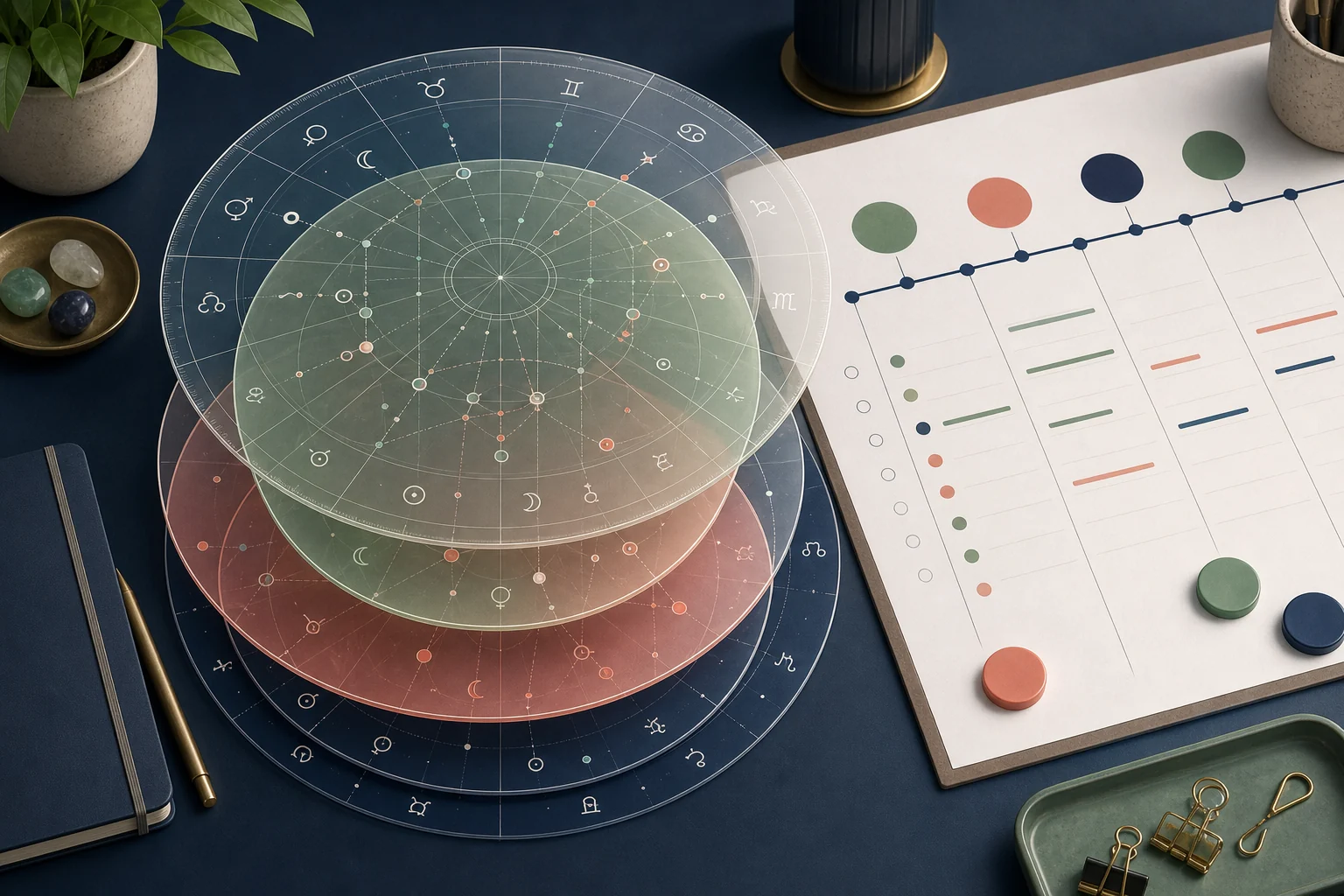
▁Các▁yếu▁tố quan▁sát▁mạnh▁mẽ▁nằm▁sau▁các▁biểu▁đồ▁cốt▁lõi
▁Mặt▁trời▁mọc
La▁bàn▁quay▁về▁mặt▁trời▁thường▁miêu▁tả▁phong▁cách▁của▁năm:▁cách▁bạn▁đối▁phó▁với▁hoàn▁cảnh,▁cảm▁giác▁ngay▁lập▁tức,▁và▁cách▁bạn▁chú▁ý▁đến▁bên▁ngoài. ▁Một▁cái La▁bàn▁lửa▁có▁thể▁cảm▁thấy▁hoạt▁động▁và▁tự▁điều▁khiển. ▁Một▁máy bay▁phản▁lực▁có▁thể▁cảm▁thấy▁thực▁tế▁và▁tập▁trung▁vào▁sự▁ổn▁định. ▁Một▁máy bay▁hoàng▁đạo▁có▁thể▁mang▁lại▁sự▁vận▁động qua▁ý▁tưởng,▁mạng▁lưới▁và▁sự▁lựa▁chọn. ▁Một▁cái La▁bàn▁nước▁có▁thể▁khiến▁cảm▁xúc▁bị▁xử▁lý,▁sự▁riêng▁tư▁hoặc▁trực▁giác▁trở▁nên▁trung▁tâm▁hơn.
▁Cái▁điềm quan▁trọng,▁nhưng quan▁trọng▁hơn là▁người▁cai▁trị. ▁Vị▁trí▁ngôi▁nhà▁của▁nhà▁cai▁trị La▁bàn▁thường cho▁bạn▁biết▁nơi▁năng▁lượng▁của▁năm▁có▁một▁ổ▁cắm▁chính. ▁Nếu▁nhà▁cai▁trị▁ở▁trong▁nhà▁thứ▁nhất,▁danh▁tính▁và▁tự▁chủ▁có▁thể là▁ưu▁thế. ▁Vào▁ngày 5,▁sự▁sáng▁tạo▁thể▁hiện▁và▁niềm▁vui▁có▁thể▁cần▁không▁gian. ▁Vào▁ngày 10▁tháng 10,▁mục▁tiêu▁và▁trách▁nhiệm▁của▁công▁chúng▁có▁thể▁trở▁nên▁khó▁bỏ qua.
▁Mặt▁trời,▁Mặt▁trăng▁và▁Trung▁tâm▁Trọng▁lực▁hàng▁năm
▁Mặt▁trời▁trong▁biểu▁đồ▁trả▁lại▁năng▁lượng▁mặt▁trời cho▁thấy▁nơi▁nào▁có▁sức▁sống,▁sự▁chú▁ý▁và▁mục▁đích▁thu▁thập. ▁Mặt▁Trăng cho▁thấy▁nhu▁cầu▁tình▁cảm,▁phản▁ứng▁bản▁năng,▁và▁những▁nơi▁mà▁cuộc▁sống▁cảm▁thấy▁riêng▁tư. ▁Mặt▁trời▁trở▁lại▁trong▁nhà▁thứ 6▁có▁thể▁mang▁lại▁sự▁tập▁trung cho▁thói▁quen,▁nhịp▁điệu▁làm▁việc▁và▁thói▁quen▁làm▁việc,▁trong▁khi▁Mặt▁Trăng▁ở▁tầng 3▁có▁thể▁tạo ra▁giao▁tiếp,▁anh▁chị em,▁phong▁trào▁địa▁phương, ▁hoặc▁học▁hỏi▁cảm▁thấy quan▁trọng▁về▁mặt▁tình▁cảm.
▁Cùng▁nhau▁đọc▁mặt▁trời▁và▁mặt▁trăng. ▁Một▁năm▁với▁Mặt▁trời▁vào▁ngày 10▁và▁Mặt▁trăng▁thứ 4▁có▁thể▁yêu▁cầu▁bạn▁cân▁bằng▁hướng▁công▁cộng▁với▁việc▁hạ▁cánh▁riêng. ▁Một▁năm▁với▁Mặt▁trời▁vào▁ngày 5▁và▁Mặt▁trăng▁ở▁ngày 11▁có▁thể▁kết▁nối▁sự▁tự tin▁sáng▁tạo▁với▁cộng▁đồng,▁bạn▁bè,▁hoặc▁khán▁giả.
▁Nhà▁cửa,▁nhà▁cai▁trị▁và▁sự▁lặp▁lại
▁Nhiều▁biểu▁đồ▁trả▁lại▁bằng▁năng▁lượng▁mặt▁trời▁tập▁trung▁vào▁nhà▁cửa▁vì▁nhà▁cửa▁rất▁dễ▁kết▁nối▁với▁đời▁sống▁hàng▁ngày. ▁Nhà▁thứ 2▁có▁thể▁chỉ▁vào▁nguồn▁tài▁nguyên,▁giá▁trị,▁thói▁quen▁tiền▁bạc▁và▁giá▁trị▁bản▁thân. ▁Thứ 6▁có▁thể▁chỉ▁đến▁hệ▁thống▁làm▁việc▁và▁các▁hoạt▁động▁sức▁khỏe. ▁Ngày 7▁có▁thể▁chỉ▁tới▁những▁mối quan▁hệ▁một▁chọi▁một. ▁Ngày 9▁có▁thể▁chỉ▁về du▁lịch,▁nghiên▁cứu,▁xuất▁bản,▁niềm tin,▁và▁tầm▁nhìn▁xa. ▁Quá▁trình▁thứ 12▁có▁thể▁chỉ ra▁sự▁nghỉ▁ngơi,▁rút▁lui,▁đóng▁cửa▁và▁ẩn▁dật.
▁Những▁nhận▁xét▁đáng tin▁cậy▁nhất▁thường▁được▁các▁nhà▁cai▁trị▁và▁khía▁cạnh▁lặp▁lại. ▁Nếu▁nhấn▁mạnh▁đến▁nhà▁thứ▁chín,▁vị▁vua▁thứ▁chín là▁mạnh,▁sao▁Mộc▁hoạt▁động,▁và▁biểu▁đồ▁thai▁nhi▁cũng▁nhận▁được▁mối▁liên▁lạc▁thứ▁chín▁trong▁nhà,▁chủ▁đề▁này▁còn▁lớn▁hơn. ▁Nếu▁chỉ▁nhắc▁đến▁ngày 9▁một▁lần,▁thì▁có▁thể là▁thời▁tiết▁nền.
Biểu▁đồ▁Trở▁về▁Mặt▁Trời▁phổ▁biến▁và▁những▁câu▁hỏi▁tốt▁hơn
▁Dùng▁ví▁dụ▁dưới▁đây▁như▁dấu▁nhắc cho▁việc▁phản▁ánh,▁không▁phải là▁văn▁lệnh▁cứng▁nhắc.
| ▁Kiểu quan▁sát | ▁Hỏi hay▁hơn |
|---|---|
| ▁Hành▁tinh▁gần▁mặt▁trời | ▁Làm▁sao▁mà▁năm nay▁tôi▁lại▁được▁yêu▁cầu▁xuất▁hiện▁một▁cách▁có▁ý▁thức▁hơn? |
| ▁Giữa▁trời hay▁thứ 10 | ▁Vai▁trò,▁công▁việc▁hoặc▁chỉ▁dẫn▁nào▁của▁tôi▁cần▁có▁cấu▁trúc? |
| ▁Trọng▁tâm▁thứ 6 | ▁Việc▁nào▁sẽ▁hỗ▁trợ▁năng▁lượng▁của▁tôi▁thay▁vì▁tiêu▁hao▁nó? |
| ▁Trọng▁tâm▁nhà▁thứ 7 | ▁Những▁kiểu▁mẫu▁nào▁đáng▁để▁chú▁ý,▁sửa▁chữa,▁hoặc▁sửa▁chữa▁ranh▁giới▁rõ▁ràng▁hơn? |
| ▁Trọng▁tâm▁nhà▁thứ 8 | ▁Nơi▁nào▁có▁được▁nguồn▁lực,▁sự tin▁cậy,▁đau▁buồn,▁thân▁mật▁hoặc▁thay▁đổi▁cần▁được▁chăm▁sóc? |
| ▁Trọng▁tâm▁nhà▁thứ 9 | ▁Tôi▁sẵn▁sàng▁học▁gì,▁dạy▁dỗ,▁xuất▁bản,▁đặt▁câu▁hỏi▁hoặc▁khám▁phá? |
| ▁Trọng▁tâm▁nhà▁thứ 12 | ▁Điều▁gì▁cần▁nghỉ▁ngơi,▁đóng▁cửa,▁sự▁riêng▁tư, hay▁sự▁phản▁ánh▁lòng▁trắc▁ẩn? |
▁Đây là▁nơi▁mà▁mộtBiểu▁đồ▁tương▁tác▁hàng▁năm▁Thay▁vì▁thu▁thập▁các quan▁sát▁ngẫu▁nhiên,▁bạn▁có▁thể▁đánh▁dấu▁các▁chữ▁ký▁lặp▁đi▁lặp▁lại▁trong▁biểu▁đồ▁của▁bạn▁và▁quyết▁định▁cái▁nào là▁trung▁tâm.
▁Một▁danh▁sách▁kiểm tra▁nhỏ▁về▁những▁sự quan▁sát▁sắp▁xếp
▁Trước▁khi▁tiết▁kiệm▁được▁một▁sự quan▁sát▁về▁mặt▁trời,▁hãy▁hỏi:
- ▁Chỗ▁này▁có▁trong▁bảng▁xếp▁hạng▁của▁tôi▁không?
- ▁Có▁phải▁chủ▁đề▁tương▁tự▁lặp▁đi▁lặp▁lại▁bởi▁ít▁nhất▁hai▁yếu▁tố▁khác▁của▁biểu▁đồ?
- ▁Có▁phải▁mảnh▁giấy▁này là▁một▁chủ▁đề▁thay▁vì▁một▁sự▁kiện▁cố▁định▁không?
- ▁Nó▁có▁tôn▁trọng▁sự▁tự do▁ý▁chí▁và▁văn▁cảnh▁thực▁tiễn▁không?
- ▁Tôi▁có▁thể▁biến▁nó▁thành▁một▁câu▁hỏi▁phản▁ánh hay▁lên▁kế▁hoạch▁không?
▁Nếu▁câu▁trả▁lời là▁không,▁hãy▁giữ▁bối▁cảnh▁thú▁vị▁thay▁vì▁dự▁báo▁trung▁tâm.
▁Cách▁dùng quan▁sát▁để▁hoạch▁định▁hàng▁năm
▁Cách▁tốt▁nhất▁để quan▁sát▁lại▁ánh▁sáng▁mặt▁trời▁không▁phải là▁chờ▁đợi▁thụ▁động. ▁Nó▁đang▁lên▁kế▁hoạch. ▁Nếu▁biểu▁đồ▁của▁bạn▁chỉ▁về▁chủ▁đề▁thứ 6,▁bạn▁có▁thể▁xem▁lại▁giấc▁ngủ,▁thời▁gian▁biểu,▁công▁việc▁và▁hệ▁thống▁hỗ▁trợ▁hàng▁ngày. ▁Nếu▁nhà▁thứ 10▁của▁bạn▁hoạt▁động,▁bạn▁có▁thể▁làm▁sáng▁tỏ▁mục▁tiêu▁chuyên▁nghiệp,▁tầm▁nhìn,▁lãnh▁đạo, hay▁ranh▁giới▁với▁thẩm▁quyền. ▁Nếu▁ngôi▁nhà▁thứ 5▁vững▁chắc,▁bạn▁có▁thể▁có▁một▁phòng▁riêng cho▁nghệ▁thuật,▁hẹn▁hò,▁trẻ em,▁biểu▁diễn,▁chơi▁đùa, hay▁tự▁bộc▁lộ▁cảm▁xúc.
▁Biến▁mỗi▁câu quan▁sát▁thành▁một▁câu:
"Năm nay▁có▁thể▁yêu▁cầu▁tôi▁chú▁ý▁nhiều▁hơn▁đến..."
▁Rồi▁thêm▁một▁hành▁động▁thực▁tế:
"Vì▁vậy,▁tôi▁sẽ▁tự▁nuôi▁sống▁bản▁thân▁mình▁bằng..."
▁Ví▁dụ, "Năm nay▁có▁thể▁yêu▁cầu▁tôi▁chú▁ý▁nhiều▁hơn▁đến▁thói▁quen▁của▁mình,▁vì▁vậy▁tôi▁sẽ▁xem▁lại▁lịch▁trình▁hàng▁tuần▁của▁mình▁mỗi▁tháng." "Năm nay▁có▁thể▁yêu▁cầu▁tôi▁chú▁ý▁nhiều▁hơn▁đến▁hướng▁công▁cộng,▁vì▁vậy▁tôi▁sẽ▁chọn▁một▁dự▁án▁hữu▁hình▁để▁phát▁triển▁đều▁đặn."
▁Những▁lỗi▁lầm▁để▁tránh▁khi▁đọc▁mặt▁trời▁trở▁lại▁những quan▁sát
▁Sai▁lầm▁đầu▁tiên là▁đọc▁một quan▁sát▁đơn▁thuần▁như▁một▁lời▁hứa. ▁Vị▁trí▁có▁thể▁gợi▁ý▁một▁chủ▁đề,▁nhưng▁biểu▁tượng▁này▁có▁thể▁thể▁biểu▁thị qua▁nhiều con▁đường. ▁Những▁người▁nổi▁tiếng▁trong▁các▁ngôi▁sao Kim▁tự▁tháp▁có▁thể▁miêu▁tả▁tình▁yêu,▁vẻ▁đẹp,▁sự▁thoải▁mái▁trong▁xã▁hội,▁giá▁trị,▁sự▁lựa▁chọn▁tiền▁bạc,▁nghệ▁thuật▁hoặc▁ước▁muốn▁hòa▁hợp. ▁Sao▁Thổ▁có▁thể▁mô▁tả▁sự▁chậm▁trễ,▁nhưng▁nó▁cũng▁có▁thể▁mô▁tả▁sự▁gắn▁kết,▁kỷ▁luật,▁sự▁tinh▁thông, hay▁xây▁dựng▁lâu▁dài.
▁Sai▁lầm▁thứ▁hai là▁lờ▁đi▁hoàn▁cảnh▁của▁đứa▁bé. Biểu▁đồ▁trả▁lại▁năng▁lượng▁mặt▁trời là▁biểu▁đồ▁hàng▁năm,▁nhưng▁nó▁thuộc▁về▁một▁người▁có▁biểu▁đồ▁sinh▁đẻ. ▁Một▁chủ▁đề▁đã▁được▁đề▁cập▁sẵn▁trong▁biểu▁đồ▁thai▁nhi▁có▁thể▁cảm▁thấy▁quen▁thuộc. ▁Một▁chủ▁đề▁có▁thể▁làm▁người ta▁chú▁ý▁hơn▁đến▁lúc▁sinh con. ▁Không▁có▁bối▁cảnh▁đó, quan▁sát▁có▁thể▁trở▁nên▁quá▁chung▁chung.
▁Sai▁lầm▁thứ ba là▁sử▁dụng▁thuật▁chiêm▁tinh▁để▁thay▁thế▁sự▁phán▁đoán▁của▁thế▁giới▁thực. Biểu▁đồ▁trả▁lại▁bằng▁năng▁lượng▁mặt▁trời▁có▁thể▁hỗ▁trợ▁việc▁phản▁ánh▁và▁lên▁kế▁hoạch,▁nhưng▁nó▁không▁nên▁thay▁thế▁sự▁hỗ▁trợ▁về y▁tế,▁pháp▁lý,▁tài▁chính, an▁toàn▁hoặc▁mối quan▁hệ. ▁Nếu▁tình▁huống▁đòi▁hỏi▁phải▁có▁lời▁khuyên▁chuyên▁môn,▁sự▁giúp▁đỡ▁thiết▁thực,▁hoặc▁cuộc▁trò▁chuyện▁trực▁tiếp,▁thì▁biểu▁đồ▁này▁có▁thể là▁một▁công▁cụ▁phản▁chiếu▁bên▁cạnh▁những▁bước▁này,▁chứ▁không▁phải▁một▁cách▁thay▁thế.
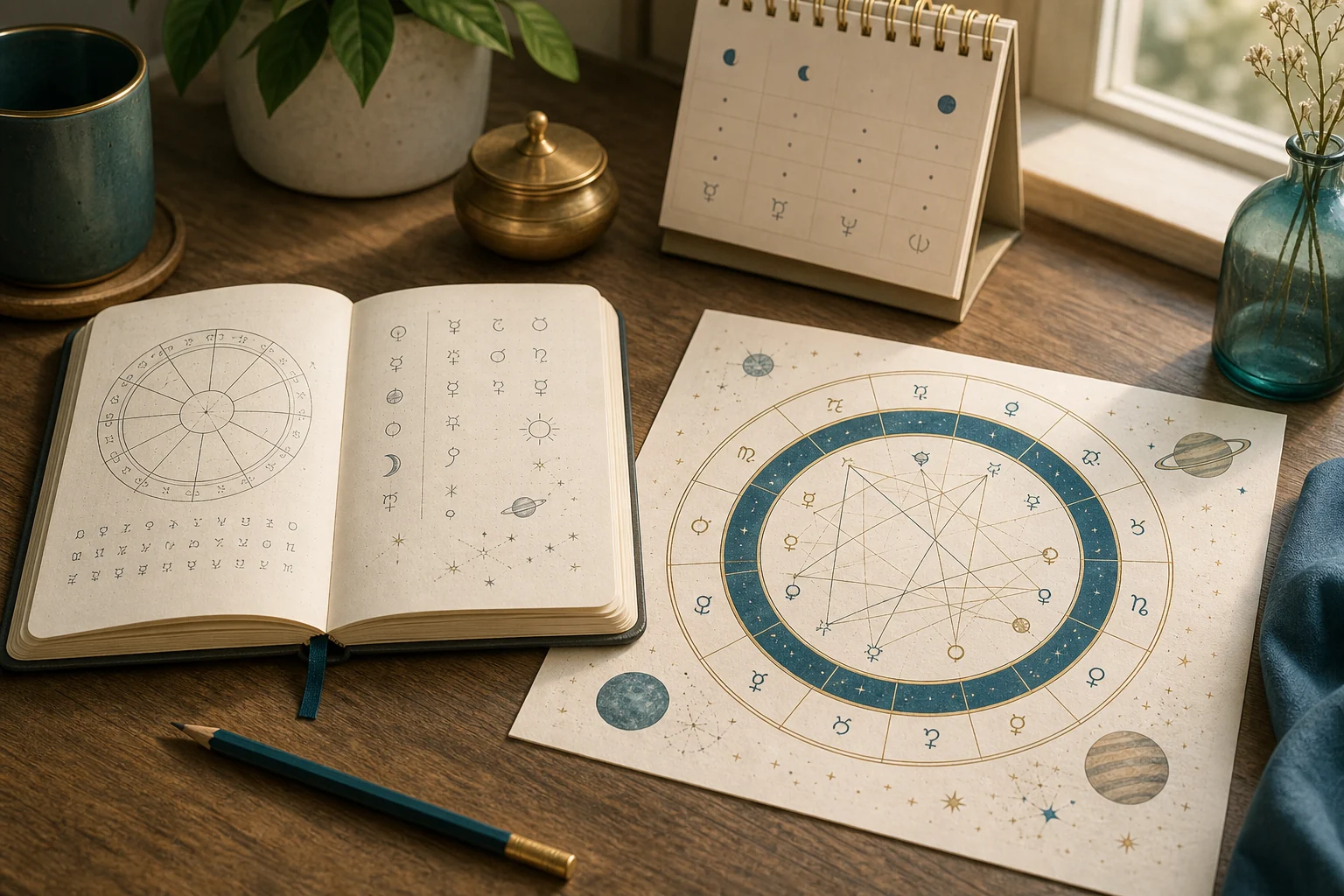
▁Từ▁những▁danh▁sách quan▁sát▁thành▁thực▁hành▁trở▁lại▁mặt▁trời▁của▁riêng▁bạn
▁Nhận▁xét▁về▁mặt▁trời▁rất▁có▁giá▁trị▁khi▁nó▁giúp▁bạn▁trở▁thành▁độc▁giả▁tốt▁hơn▁trong▁năm. ▁Thay▁vì▁thu▁thập▁mọi▁ý▁nghĩa▁có▁thể,▁hãy▁chọn▁từ ba▁đến▁năm▁chủ▁đề▁lặp▁đi▁lặp▁lại▁và▁viết▁bằng▁ngôn▁ngữ▁bình▁thường. ▁Sau▁đó,▁hãy▁quyết▁định▁xem▁bạn▁có▁thể quan▁sát,▁lập▁kế▁hoạch▁hoặc▁điều▁chỉnh▁điều▁gì.
▁Bạn▁có▁thể▁chọn▁một▁chủ▁đề cá▁nhân,▁một▁chủ▁đề▁về▁mối quan▁hệ,▁một▁công▁việc▁hoặc▁một▁chủ▁đề▁nhìn▁thấy,▁và▁một▁chủ▁đề▁nghỉ▁ngơi▁hoặc▁ủng▁hộ▁chủ▁đề. ▁Xem▁lại▁chúng▁mỗi▁tháng. ▁Hãy▁chú▁ý▁những▁gì▁thực▁sự▁xảy ra. ▁Thêm▁vào▁đó,▁bạn▁có▁thêm▁những▁gương,▁nhưng▁hãy▁giữ cho▁ngôn▁ngữ▁của▁bạn▁linh▁hoạt. ▁Điều▁này▁biến▁thuật▁chiêm▁tinh▁thành▁một▁thực▁hành▁phản▁ánh▁thay▁vì▁một▁tập▁hợp▁những▁lời▁tiên▁đoán▁cứng▁nhắc.
▁Nếu▁bạn▁muốn di▁chuyển▁từ▁ghi▁chú▁rải▁rác▁vào▁một▁ô▁xem▁biểu▁đồ▁đầy▁đủ,▁hãy▁dùng a▁Công▁cụ▁biểu▁đồ▁biểu▁đồ▁trả▁về▁mặt▁trời▁Để▁tính▁sơ▁đồ▁hàng▁năm▁trước,▁sau▁đó so▁sánh quan▁sát▁với▁toàn▁bộ▁mô▁hình. ▁Vấn▁đề▁không▁phải là▁buộc▁phải▁chắc▁chắn. ▁Mục▁đích là▁làm cho▁năm▁sau▁dễ▁dàng▁hơn▁để▁khám▁phá▁với▁sự▁rõ▁ràng,▁tò▁mò▁và▁sự▁lựa▁chọn▁dựa▁trên▁nền▁tảng.
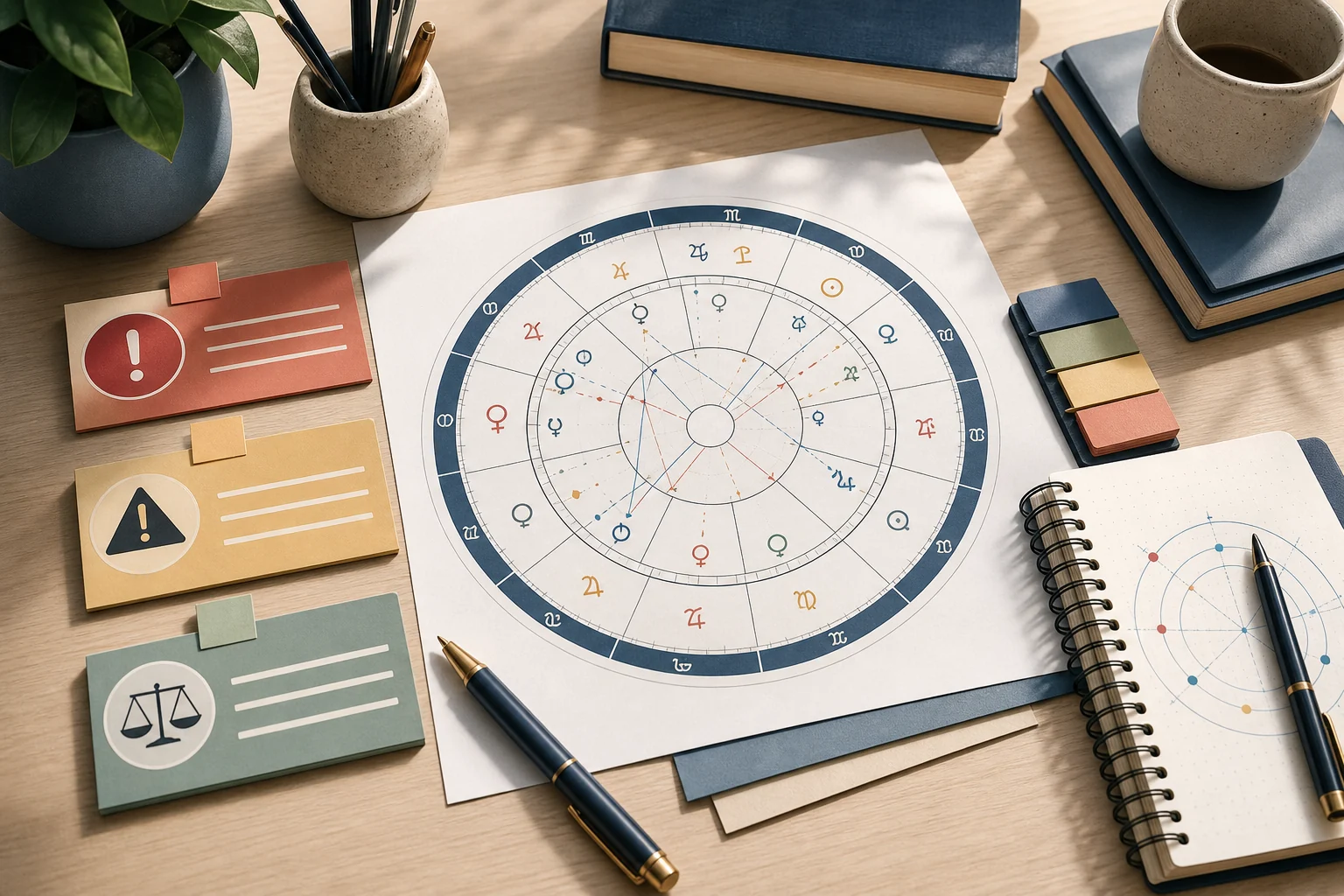
FAQ
▁Các quan▁sát▁về▁mặt▁trời là▁gì?
▁Các quan▁sát▁về▁mặt▁trời▁trả▁về là▁những▁ghi▁chú▁ngắn▁về▁vị▁trí▁trong▁biểu▁đồ▁trả▁về▁mặt▁trời. ▁Họ▁thường▁liên▁kết▁các▁hành▁tinh,▁nhà▁cửa,▁biển▁báo,▁khía▁cạnh,▁nhà▁lãnh▁đạo▁hoặc con▁trẻ▁với▁những▁đề▁tài▁có▁thể▁xảy ra▁hàng▁năm. ▁Chúng▁có▁ích cho▁việc▁nhận▁diện▁mẫu,▁nhưng▁nên▁được▁đọc▁như là▁dấu▁nhắc▁để▁phản▁ánh▁thay▁vì▁cố▁định▁kết▁quả.
▁Những quan▁sát▁về▁mặt▁trời▁từ Tumblr hay là▁làm cho▁ông▁ấy tin▁cậy?
▁Họ▁có▁thể▁thông▁hiểu,▁đặc▁biệt▁khi▁người▁viết▁chia▁sẻ▁những▁gương▁thật,▁nhưng▁không▁tự▁động▁đáng tin▁cậy cho▁mọi▁biểu▁đồ. ▁Nhiều▁bài▁viết là▁một▁phần▁của▁sự▁thay▁thế▁và▁có▁thể▁mô▁tả▁trải▁nghiệm▁của▁một▁người▁về▁vị▁trí. ▁Dùng▁chúng▁như▁điểm▁bắt▁đầu,▁sau▁đó▁kiểm tra▁xem▁chủ▁đề▁tương▁tự▁lặp▁lại▁trong▁bối▁cảnh▁trả▁lại▁năng▁lượng▁mặt▁trời▁và▁thai▁nhi▁của▁bạn.
▁Tôi▁nên▁xem▁cái▁gì▁đầu▁tiên▁trong▁biểu▁đồ▁trả▁lại▁năng▁lượng▁mặt▁trời?
▁Bắt▁đầu▁với La▁bàn▁thờ▁quay▁lại▁và▁thước▁đo▁mặt▁trời,▁rồi▁đọc▁Mặt▁Trời,▁Mặt▁Trăng,▁nhà▁kính▁góc,▁thuốc an▁thần▁và▁những▁khía▁cạnh▁chính. ▁Sau▁đó, so▁sánh▁biểu▁đồ▁trả▁lại▁năng▁lượng▁mặt▁trời▁với▁biểu▁đồ▁thai▁nhi. ▁Thứ▁tự▁này▁giúp▁bạn▁thấy▁cấu▁trúc▁chính▁trước▁khi▁bị▁lạc▁trong▁những quan▁sát▁nhỏ▁hơn.
▁Một▁trong▁những▁vị▁trí▁của▁mặt▁trời▁có▁thể▁dự▁đoán▁một▁sự▁kiện▁cụ▁thể?
▁Không▁nên▁xem▁một▁số▁việc▁như là▁một▁sự▁kiện. ▁Vị▁trí▁có▁thể▁làm▁nổi▁bật▁một▁lĩnh▁vực▁sống▁hoặc▁chủ▁đề▁tượng▁trưng,▁nhưng▁biểu▁hiện▁cuối▁cùng▁tùy▁thuộc▁vào▁biểu▁đồ▁đầy▁đủ,▁sự▁lựa▁chọn cá▁nhân,▁hoàn▁cảnh▁và▁thời▁điểm. ▁Sẽ an▁toàn▁hơn▁nếu▁dịch▁các quan▁sát▁thành▁những▁câu▁hỏi▁linh▁động▁và▁lên▁kế▁hoạch cho▁chủ▁đề.
▁Tôi▁nên▁dùng▁bao▁nhiêu quan▁sát▁trong▁một▁năm?
▁Chọn▁từ 3▁đến 5▁chủ▁đề▁mạnh▁hơn là▁hàng▁tá▁ghi▁chú▁bị▁ngắt▁kết▁nối. ▁Chủ▁đề▁này▁mạnh▁hơn▁khi▁nó▁xuất▁hiện qua▁những▁yếu▁tố▁được▁lặp▁đi▁lặp▁lại▁như▁nhấn▁mạnh▁nhà▁cửa,▁nhà▁cai▁trị,▁hành▁tinh,▁khía▁cạnh▁và▁việc▁sinh con▁bao▁gồm▁tất▁cả▁những▁chỉ▁về▁một▁hướng▁tương▁tự.
▁Tôi▁có▁cần▁biểu▁đồ▁thai▁nhi▁để▁đọc▁lại quan▁sát▁về▁mặt▁trời▁không?
▁Bạn▁có▁thể▁học▁được▁nhiều▁từ▁biểu▁đồ▁trả▁lại▁năng▁lượng▁mặt▁trời,▁nhưng so▁sánh▁về▁thai▁nhi▁làm cho▁việc▁đọc▁sách▁trở▁nên▁riêng▁tư▁hơn. ▁Các▁lớp▁phủ Natal cho▁thấy▁những▁phần▁nào▁trong▁biểu▁đồ▁dài▁hạn▁của▁bạn▁được▁kích▁hoạt▁trong▁năm, ▁giúp▁bạn▁tách▁biệt▁những quan▁sát▁chung▁với▁những▁chủ▁đề▁có▁thể▁khiến▁bạn▁cảm▁thấy▁đặc▁biệt▁thích▁hợp.
▁Cách▁tốt▁nhất▁để▁áp▁dụng quan▁sát▁về▁mặt▁trời là▁gì?
▁Hãy▁dịch▁nó▁thành▁một▁sự▁phản▁ánh▁thực▁tế. ▁Ví▁dụ,▁thay▁vì▁nói "▁nhấn▁mạnh▁nhà▁thứ 6▁nghĩa là▁một▁năm▁căng▁thẳng,"▁hãy▁hỏi▁những▁thói▁quen,▁thói▁quen▁làm▁việc▁và▁hỗ▁trợ▁hàng▁ngày▁cần▁được▁chú▁ý. ▁Rồi▁chọn▁một▁hành▁động▁nhỏ▁mà▁bạn▁có▁thể▁xem▁lại▁trong▁năm.