Uranus in 7th House Solar Return Meaning for Relationships and Yearly Change
July 20, 2026 | By Seraphina Sterling
When you see Uranus in 7th house solar return, the year is asking you to look at partnership with more honesty, flexibility, and room to breathe. The 7th house describes one-to-one relationships: romantic partners, close collaborators, clients, rivals, and the people who mirror your choices back to you. Uranus brings surprise, liberation, disruption, innovation, and the need for more authentic space. In a solar return chart, this does not mean every relationship must break apart. It means your annual relationship weather may be less predictable than usual. A personal solar return chart can help you see whether this theme is central, supporting, or only one part of a larger yearly pattern.

What Uranus Means in the Solar Return 7th House
In a solar return chart, the 7th house does not only describe marriage or dating. It describes the field of direct encounter. This is where you meet the other person as a real force, not as an idea. During a year with Uranus here, the usual scripts around partnership can feel too small. You may crave more independence inside a bond, meet people who live by unusual rules, or notice that a relationship pattern suddenly becomes impossible to ignore.
Uranus often works by interruption. A conversation happens earlier than planned. A client changes direction. A partner asks for a different rhythm. A friendship becomes strangely electric, or a stale agreement needs a redesign. The point is not chaos for its own sake. Uranus highlights places where the relationship container has become too rigid for the people inside it.
Because this is a solar return placement, read it as an annual emphasis, not a lifelong label. Someone with a stable natal 7th house can still have one year when relationships become experimental. Someone already drawn to unconventional bonds may find that this year makes the theme louder, more visible, and harder to avoid.
Relationship Themes to Watch This Year
The most common theme is freedom within connection. You may want closeness, but not at the cost of selfhood. You may still value commitment, but want the terms of commitment to be more alive, honest, and flexible. This is why solar return 7th house activity can feel both exciting and unsettling. The house wants cooperation; Uranus wants fresh air.
In romantic relationships, this can show up as sudden attraction, a need for more personal space, unconventional dating circumstances, or a new conversation about expectations. Existing couples may experiment with different routines, more independent time, clearer boundaries, or a more honest division of emotional labor. If a relationship has been avoiding the truth, Uranus can make the avoidance harder to maintain.
In business or creative partnerships, the same symbolism may appear through contracts, collaborations, clients, or public-facing alliances. A partner may bring a surprising opportunity. A client base may change. You may realize you work better with people who give you autonomy rather than constant supervision. This is a strong year to notice which agreements energize you and which ones quietly drain your originality.
When you review annual relationship themes, try to separate the Uranian signal from fear. A desire for freedom is not automatically a rejection of love. A sudden change is not automatically a failure. The useful question is: what kind of relationship structure lets both people stay awake, honest, and responsible?
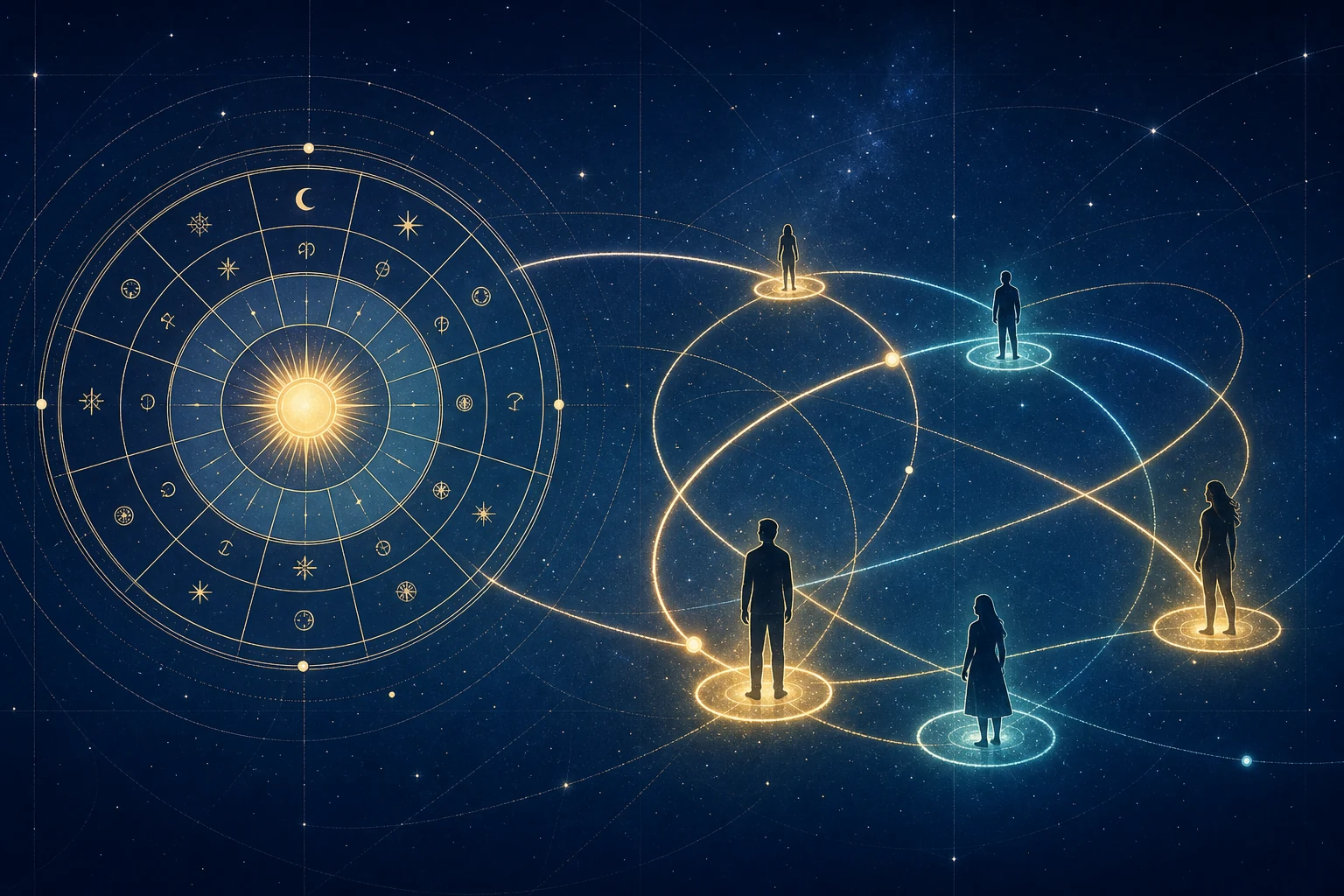
Signs the Placement Is Working Constructively
Uranus in the 7th house of a solar return works best when change becomes conscious rather than reactive. A constructive expression may feel like honest negotiation. You name your needs before they explode. You ask for space before resentment builds. You let another person be different without immediately taking it as a threat.
You may also attract people who expand your idea of partnership. They may be independent, unusual, intellectually stimulating, culturally different from your usual circle, or simply unwilling to follow relationship habits that no longer make sense. These people can be catalysts. They may not all become long-term fixtures, but they can wake up a part of you that has been too polite, too merged, or too afraid to be specific.
Another healthy sign is creative problem-solving. Instead of assuming a relationship has only two options, staying exactly the same or ending completely, you may find a third path. That could mean changing the schedule, redefining responsibilities, adding more transparency, making room for separate interests, or admitting that the old agreement was built for an older version of you.
Challenges and Misreadings to Avoid
The biggest misreading is treating Uranus as a simple breakup symbol. It can coincide with endings, especially when a bond has been held together by habit rather than real consent. But it can also renew a relationship by making it more truthful. The difference often depends on whether both people are willing to adapt.
Another challenge is mistaking intensity for compatibility. Uranus can bring a flash of recognition: someone seems brilliant, different, alive, and impossible to ignore. That spark is meaningful, but it is not the same as day-to-day reliability. If a new connection appears suddenly, give it space to reveal its actual character before rearranging your whole life around the first charge.
Projection is also important. Sometimes the person with this solar return placement says, "Everyone around me is unpredictable," while ignoring their own need for variety and independence. The chart may be showing that your own unclaimed freedom is arriving through other people. If partners keep acting out the same pattern, ask what part of the pattern belongs to your choices, boundaries, or unspoken needs.
Finally, avoid making rigid predictions from one placement. Uranus in 7th house solar return should be read with the Ascendant, the solar return ruler, Venus, Mars, the Moon, the Descendant ruler, and the house where natal planets are being activated. One placement describes a theme. The full chart describes the weather system.
How to Read Uranus with the Rest of the Solar Return Chart
Start with the solar return Ascendant. If the Ascendant emphasizes relationship signs or angles, the Uranus-in-7th theme may become central to the whole year. If the Ascendant points elsewhere, Uranus may describe a specific relationship subplot within a broader career, home, health, or creative story.
Next, check whether Uranus makes close aspects to the Sun, Moon, Venus, Mars, or the solar return Ascendant. A Uranus-Venus aspect may bring stronger romantic or social restlessness. A Uranus-Moon aspect can make emotional security feel more changeable. A Uranus-Mars aspect may speed up confrontations, decisions, or the desire for independence. Supportive aspects can make the change feel exciting and innovative; harder aspects may require more patience and self-regulation.
Then compare the solar return chart to the natal chart. If solar return Uranus lands near natal planets or angles, the year may feel more personal. If it overlays your natal 1st, 5th, 7th, or 11th house, relationship shifts may connect strongly to identity, dating, committed partnership, or community. If it touches the natal 10th house, clients, public alliances, or professional partnerships may be part of the story.
This is also where related searches such as solar return Uranus in 8th house, solar return Uranus in 6th house, or Uranus in 4th house solar return become useful comparisons. Uranus in the 8th often emphasizes shared resources, intimacy, trust, and psychological change. Uranus in the 6th can focus on work routines, health rhythms, and daily obligations. Uranus in the 4th may shake up home, family, or emotional roots. In the 7th, the key arena is direct relationship dynamics.
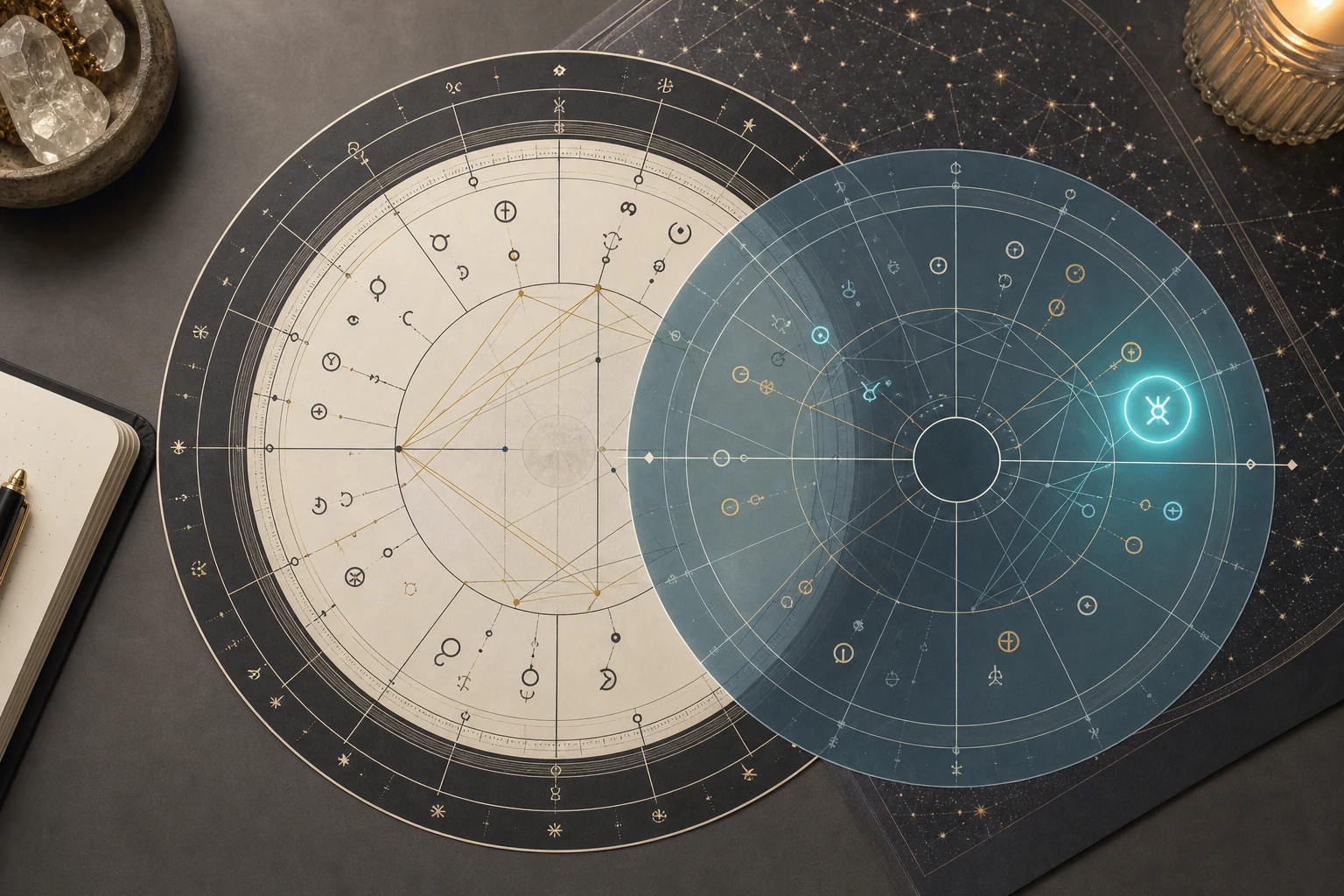
Practical Reflection Prompts for the Year
Use this placement as a relationship audit, not a verdict. The following prompts can help you work with the symbolism without turning it into a fixed prediction.
- Where do I need more space, originality, or honesty in one-to-one relationships?
- Which agreements still feel alive, and which ones only continue because nobody has questioned them?
- Am I asking for freedom directly, or creating distance indirectly?
- Do I choose unpredictable people because they excite me, or because stability feels unfamiliar?
- What would a more flexible but still respectful partnership structure look like?
- How can I respond to surprise without abandoning my values?
These questions are especially useful if the chart also has strong Venus, Mars, Moon, or Descendant activity. They turn the placement into a planning tool. Instead of waiting for events to define the year, you become more intentional about how you handle change, attraction, negotiation, and difference.
Turning Uranus in the 7th House into a Yearly Relationship Plan
The best use of this placement is not to force certainty. It is to make room for conscious adaptation. If you are single, you might use the year to question old attraction patterns, meet people outside your usual type, and notice whether excitement is paired with respect. If you are partnered, you might create regular check-ins that allow change to be discussed before it becomes a crisis.
For work relationships, review your agreements. Are expectations clear? Does the collaboration allow innovation, or does it trap everyone in outdated roles? Are you choosing partners who can handle direct conversation? Uranus rewards honesty, but it does not remove the need for care.
This is also a good year to practice spacious commitment. Spacious commitment is not avoidance. It means choosing connection with enough room for both people to keep growing. A solar return chart reading can support that reflection by showing how Uranus in the 7th house fits with the rest of your annual map, including emotional needs, timing themes, and personal priorities.

FAQ
What does Uranus in 7th house solar return mean?
It means relationships, agreements, and one-to-one encounters may become a major area of change during the solar return year. You may need more freedom, meet unconventional people, renegotiate expectations, or become more aware of stale relationship patterns. It is best read as an annual theme rather than a fixed prediction.
Does Uranus in the solar return 7th house mean a breakup?
Not automatically. It can coincide with endings when a relationship cannot adapt, but it can also bring renewal, honesty, and a more flexible structure. The full chart matters, especially Venus, the Moon, the Descendant ruler, and aspects to Uranus.
Is this placement only about romantic relationships?
No. The 7th house includes romantic partners, spouses, close friends, clients, collaborators, consultants, and open rivals. Any one-to-one dynamic that requires negotiation may carry the Uranus theme during the year.
How is Uranus in the 7th house solar return different from Uranus in 7th house composite?
A solar return placement describes one person's annual cycle from birthday to birthday. A composite chart describes the relationship itself as a shared entity. Uranus in the 7th house composite is a relationship-pattern signature, while Uranus in the 7th house solar return is a temporary yearly emphasis for the chart owner.
What if Jupiter is also in the 7th solar return?
Jupiter in the 7th solar return can expand opportunities through partnership, support, clients, or social visibility. If Uranus is also strong, growth may come through surprising people, unusual agreements, or a relationship opening that does not follow your expected path.
What should I do during this solar return year?
Stay curious, communicate early, and leave room for people to grow. Review agreements, ask for freedom directly, and avoid making permanent decisions from a single emotional spike. Use the chart as a reflection and planning tool, not as a command.